
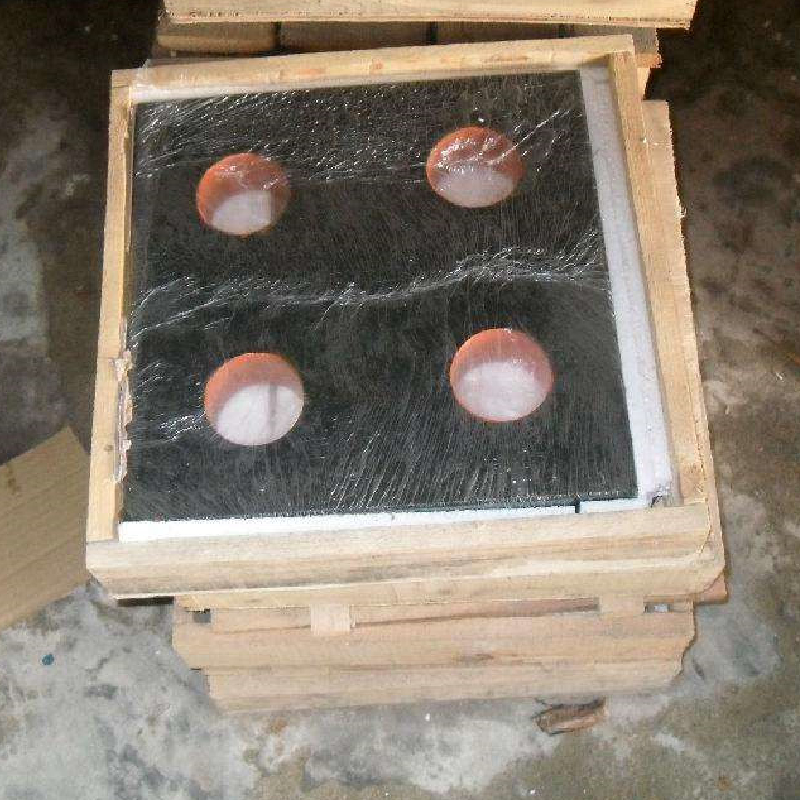
tinted glass factory
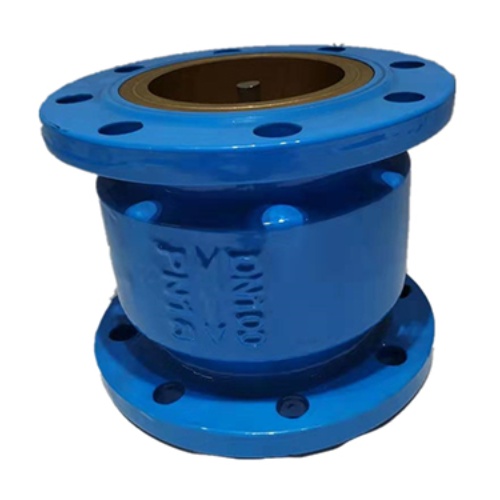
Understanding One-Way Water Valves Essential Components in Fluid Control In various industries, the efficient and reliable movement of fluids is paramount. One essential component that facilitates this is the one-way water valve, often referred to as a check valve. These devices are designed to allow fluid (liquid or gas) to flow in only one direction, preventing backflow and ensuring the proper functioning of hydraulic systems, water supply lines, and irrigation systems, among others. How One-Way Water Valves Work At its core, a one-way water valve consists of a seat and a movable element, typically called a disc or ball. When fluid flows in the designated direction, the force of the fluid opens the valve, allowing it to pass through. However, if the fluid attempts to flow back, the movable element is pushed against the seat, effectively closing the valve and preventing reverse flow. This simple yet effective mechanism makes one-way valves critical components in ensuring the safety and reliability of various piping systems. Applications of One-Way Water Valves One-way water valves are commonly used in several applications. In residential plumbing, for instance, they can prevent backflow in water supply systems, ensuring that clean water does not mix with potentially contaminated water. Similarly, in irrigation systems, check valves can prevent water from draining back into the supply line when the pump is turned off, maintaining pressure and optimizing water usage. In industrial settings, one-way water valves play pivotal roles in processing fluids. They are often employed in manufacturing plants where liquids or gases must be transferred through pipelines without the risk of backflow, which could lead to contamination or equipment failure. Moreover, they are vital in sewage and wastewater management systems, where they help direct flow and prevent backflow that could cause significant environmental hazards. Types of One-Way Water Valves There are several types of one-way water valves, each designed for specific applications. The most common types include one way water valve 1. Swing Check Valves These valves have a disc that swings on a hinge. They are ideal for systems where the fluid flow is steady and can operate effectively under various pressure conditions. 2. Ball Check Valves Utilizing a spherical component that sits on a seat, these valves are generally used in applications involving high pressure and dirty fluids due to their ability to handle solid particles. 3. Spring-Loaded Check Valves These feature a spring mechanism that helps keep the valve closed until the fluid pressure overcomes the spring force. This type of valve is useful in applications where the flow might be subject to fluctuations. 4. Diaphragm Check Valves These utilize a flexible diaphragm that opens and closes the valve based on pressure changes. They are often used in sanitary applications or where leakage must be minimized. Maintenance and Considerations While one-way water valves are designed to be durable and reliable, regular maintenance is essential to ensure their proper functioning over time. Factors such as corrosion, sediment buildup, and wear and tear can affect their performance. It is advisable to periodically inspect and clean the valves or replace them if significant deterioration is noted. When selecting a one-way water valve for a specific application, factors like the type of fluid, pressure requirements, and environmental conditions should be considered to ensure optimal performance. In conclusion, one-way water valves are integral components in fluid control systems across various applications. Their ability to prevent backflow not only safeguards the integrity of the fluid being transported but also enhances the efficiency of numerous operations. Understanding their functionalities, types, and maintenance needs is crucial for anyone involved in plumbing, industrial processes, or fluid management.
about
tinted glass factory
Understanding Dial Bore Gauges A Focus on 18mm to 35mm Applications In precision engineering, the significance of accurate measurements cannot be overstated. One of the essential instruments utilized for measuring the internal diameter of holes is the dial bore gauge. This tool, particularly effective for bore sizes ranging from 18mm to 35mm, plays a crucial role in various manufacturing processes, ensuring that components meet stringent quality standards. What is a Dial Bore Gauge? A dial bore gauge is a measuring instrument designed specifically for measuring internal diameters. It comprises a dial indicator, which reads measurements, a probe that fits inside the bore, and a calibration mechanism to ensure accuracy. The tool works on the principle of displacement; as the gauge slides into the bore, any changes in diameter result in the dial indicator registering a corresponding change. This allows the operator to determine if the bore meets specified tolerances. Design and Features Dial bore gauges come in various designs, but most share common features. For measurements within the range of 18mm to 35mm, the gauge typically has adjustable arms or pins that can be set to the required diameter. The dial indicator is usually mounted perpendicular to the probe, making it easy to read measurements at a glance. Many models come equipped with a locking mechanism that holds the gauge in place once the measurement is taken, preventing any accidental re-adjustments. The precision of a dial bore gauge can be influenced by its construction quality and the range of its measuring capabilities. Models designed for 18mm to 35mm applications typically feature high-quality stainless steel components that resist wear and corrosion, ensuring longevity and accuracy over time. Applications of Dial Bore Gauges The versatility of dial bore gauges makes them invaluable across various industries. Here are a few notable applications 1. Automotive Engineering In automotive manufacturing, ensuring the correct diameter of engine cylinders is critical for optimal performance. Dial bore gauges facilitate precise measurements during the production and quality control phases. 2. Aerospace The aerospace industry demands exceptionally tight tolerances and high-quality standards. Dial bore gauges help inspect components like fuel injectors and turbine housings, ensuring they conform to specifications. dial bore gauge 18 35mm 3. Manufacturing & Machining In the world of machining, particularly in CNC operations, engineers frequently utilize dial bore gauges to check hole sizes and depths in fabricated parts, ensuring that they fit together correctly during assembly. 4. Quality Assurance Quality control inspectors employ dial bore gauges to verify that manufactured products meet the required specifications. Measuring the internal diameters of components regularly helps identify potential defects before they escalate into larger issues. How to Use a Dial Bore Gauge Using a dial bore gauge requires a systematic approach 1. Preparation Ensure that the gauge is clean and calibrated before use. Any dirt or debris can lead to inaccurate readings. 2. Insertion Carefully insert the gauge into the bore, ensuring that it is aligned correctly. 3. Adjustment Adjust the measuring arms or pins until you get a snug fit within the bore. 4. Measurement Read the measurement from the dial indicator. Rotate the gauge to take measurements at various points to identify any variations in diameter. 5. Documentation Record the measurements for future reference and quality control purposes. Conclusion Dial bore gauges are essential tools in precision measurement, particularly for bore sizes ranging from 18mm to 35mm. Their ability to provide accurate and reliable measurements makes them indispensable in industries where precision is paramount. Understanding how to properly utilize and maintain this crucial instrument can greatly enhance quality assurance processes in any manufacturing setting. As technology continues to advance, incorporating sophisticated gauges into production lines is likely to streamline operations even further, reducing human error and improving overall efficiency. Thus, the dial bore gauge remains a trusted companion for engineers and quality inspectors alike, ensuring that every component meets the exacting standards of modern manufacturing.
-

High quality industrial productsagement

High quality industrial products
View Details -

Meet the diverse needs of customers

Meet the diverse needs of customers
View Details -

Strict quality control

Strict quality control
View Details -

Top raw materials

Top raw materials
View Details -

Trusted supplier

Trusted supplier
View Details
Our application


news and information
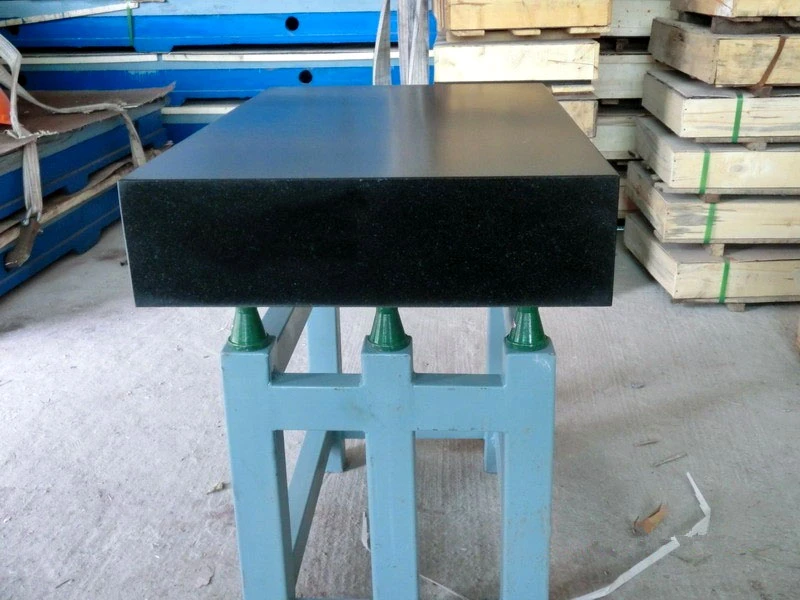
Versatile Right Angle Ruler for Precise Sewing Measurements and Crafting Precision Techniques
The Essential Right Angle Ruler for Sewing A Must-Have Tool for Every Seamstress Sewing is an art th

Various Types of Water Check Valves and Their Applications
Types of Check Valves for Water Check valves play a crucial role in fluid control systems, particula

using v blocks
Utilizing V Blocks A Comprehensive Guide V blocks are essential fixtures in machining and manufactur
 English